

In today's rapidly changing work environment, the journey to career growth can frequently feel daunting. With numerous challenges to navigate, from strategic decision-making to nurturing emotional intelligence, individuals are increasingly turning to executive coaching for guidance. This journey not just enhances professional abilities but also encourages personal development, equipping individuals with the tools essential to succeed in their careers.
Executive coaching brings a wealth of knowledge and techniques to the forefront, concentrating on critical areas such as leadership development, resilience training, and mindfulness coaching. These elements play a vital role in shaping one's approach to challenges, facilitating goal setting, and improving time management skills. By embracing these insights, professionals can build confidence and enhance their decision-making abilities, creating paths to greater career advancement and improved employee engagement. In our exploration of the world of executive coaching, we will explore how these strategies aid to overall performance improvement and long-term success.
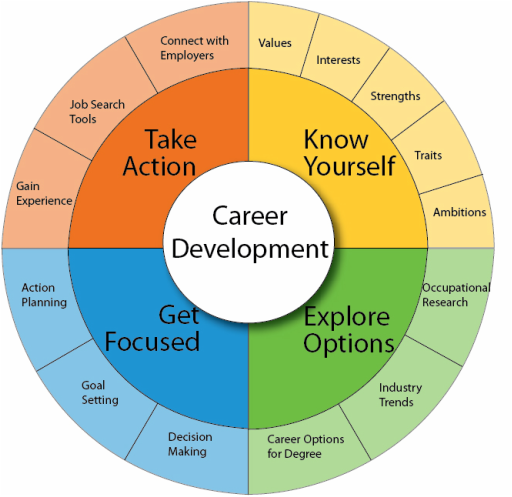
The Importance of Leadership Coaching in Professional Development
Professional coaching serves as a key resource for individuals aspiring to progress their careers. It provides a personalized approach that focuses on improving leadership skills, sharpening decision-making abilities, and cultivating emotional intelligence. By collaborating with a coach, professionals can gain understanding into their strengths and weaknesses, enabling them to navigate complex workplace dynamics and identify opportunities for growth. This personalized guidance is vital for those looking to shift into higher positions or improve their existing capabilities.
In addition to ability development, executive coaching highlights the significance of strategic planning and business development. Coaches work with clients to set clear goals and outline practical steps to achieve them. This process not only improves accountability but also motivates individuals to consider critically about their career paths. By integrating coaching techniques, such as mindfulness practices and resilience training, professionals can enhance their focus and adaptability in the face of difficulties, which are important traits in today’s fast-paced work environment.
Furthermore, executive coaching plays a significant role in fostering confidence and employee engagement. By centering on personal development and performance improvement, coaches help clients develop a strong sense of self-efficacy. This transformation empowers individuals to step forward, embrace leadership roles, and contribute positively to their organizations. Through ongoing mentorship and support, executive coaching ultimately acts as a driver for sustained career growth, providing professionals with the tools they need to thrive.
Key Skills for Professional Development
In the current fast-paced work environment, developing key skills is vital for career growth and personal development. Clear communication is key, as it boosts team collaboration and develops positive relationships with colleagues and clients. Perfecting both verbal and written communication helps professionals convey their ideas clearly and persuasively, making it a cornerstone of successful leadership and employee engagement.
A further critical skill is emotional intelligence, which encompasses the ability to understand and manage your own emotions while effectively empathizing with others. This skill is valuable in crisis management and decision-making, allowing leaders to handle challenges with grace. Developing emotional intelligence can significantly boost workplace dynamics, producing higher performance and better customer experience enhancement through more thoughtful interactions.
Learn More from Jeffrey Wendel
Additionally, time management is an essential skill that allows professionals to rank tasks and work productively. Through strategic goal setting and strategic planning, individuals can manage their time well, ensuring they fulfill deadlines while also maintaining a sustainable work-life balance. Developing this skill results in improved productivity and boosts overall performance in both personal and professional pursuits.
Learn More from Jeffrey Wendel
Awareness and Decision-Making in Leadership Roles
Mindfulness has become an important trait for current leaders who seek to enhance their decision-making skills. By cultivating a present-centered consciousness, managers can more effectively navigate the challenges and vagueness inherent in their positions. This method allows them to pause, think, and weigh multiple perspectives before making crucial decisions. When managers practice awareness, they foster an environment that encourages careful thought over reactive impulses, promoting a climate of thoughtful decision-making within their groups.
Learn More from Jeffrey Wendel
Integrating awareness into leadership practices practices can greatly enhance emotional intelligence, which is essential for effective decision-making. Executives who exhibit high emotional intelligence are more adept at understanding their own feelings and those of their team members, facilitating better cooperation and problem solving. This understanding not only boosts team dynamics but also strengthens the decision making method, as managers are more likely to take into account the mental consequences of their choices on overall performance.
Additionally, mindfulness helps executives develop mental toughness in the midst hardships. In demanding circumstances, a aware executive can maintain clear thinking, successfully prioritize duties, and respond to emergencies with a calm attitude. This toughness is important for guiding organizations through tumultuous times, as managers who keep composed and clear-headed can foster faith and support a cooperative effort toward problem-solving. By incorporating mindfulness into their executive style, executives promote a climate of resilience that enables their groups to succeed amidst adversity.
Strategic Preparation for Business Achievement
Strategic preparation is a key component of attaining long-term corporate achievement. It involves establishing an entity's direction and making choices on distributing resources to pursue this plan. A well-crafted tactical blueprint outlines the company's purpose, vision, and targets, unifying all stakeholders to a common goal. By establishing clear goals, companies can concentrate their resources on initiatives that foster growth and profitability.
Successful strategic preparation combines various facets of business advancement, including advertising strategies and customer experience enhancement. It is crucial to examine industry trends, rival actions, and customer requirements to create a responsive plan that encourages creativity and flexibility. Regularly reviewing and updating the strategic blueprint assists companies remain agile in a dynamic market, ensuring that they stay relevant and competitive.
Moreover, strategic preparation holds a crucial role in leadership growth within organizations. It enables leaders to engage staff by involving them in the preparation process, fostering a environment of collaboration and ownership. By defining measurable objectives and encouraging a shared dedication to achieving them, businesses can improve staff involvement and productivity. This holistic approach to tactical preparation not only propels business achievement but additionally creates a resilient and motivated workforce.
Learn More from Jeffrey Wendel
Elevating Customer Experience By Training
In today's challenging landscape, improving customer satisfaction has become a priority for organizations striving for expansion and sustainability. Training can play a significant role in this initiative, helping businesses create approaches that focus on understanding and addressing client requirements. With specific mentorship, organizations can develop their teams to boost interpersonal skills and emotional intelligence, which are essential for fostering valuable connections with clients. This investment in individual development not only enhances customer satisfaction but also strengthens company loyalty and reputation.
Additionally, impactful coaching techniques can be utilized to empower staff in making decisions that lead to superior consumer care. By advocating for thoughtfulness mentorship, companies can motivate their employees to be present and responsive in their engagements. Decision-making skills developed through coaching enable employees to reply to customer inquiries with assurance and speed. This not only lessens reply times but also enhances the overall consumer interaction, turning it more enjoyable and efficient.
Ultimately, combining client engagement development with mentorship often involves planned planning and performance improvement strategies. By engaging in mentorship programs, organizations can synchronize their goals with client needs, refining their offering offerings to better address market demands. Trainers can also provide insightful insights into financing solutions and promotional strategies that improve the customer satisfaction. This holistic approach not only propels business development but also cultivates a environment of constant improvement, ensuring that organizations continue to be successful and attentive to client needs.
Fostering Strength plus Confidence
Fostering resilience is crucial for handling the highs and lows of a career. It involves gaining the ability to recover from setbacks and to sustain a positive outlook in the face of adversity. Effective coaching can guide individuals in recognizing their strengths and weaknesses, enabling them to create strategies to tackle obstacles. By acknowledging failure as a learning opportunity, professionals can cultivate a growth mindset, which is crucial for long-term success.
Confidence building is key in career growth and personal development. Coaches typically use techniques such as visualization, uplifting affirmations, and simulation to assist individuals improve their self-belief. By setting achievable goals and acknowledging small victories, clients can gradually improve their confidence levels, enabling them to tackle greater challenges. This newfound self-assurance can lead to better decision-making skills and a inclination to take calculated risks in both personal and professional contexts.
Furthermore, resilience and confidence go together in developing effective leadership and employee engagement. Leaders who embody resilience encourage their teams to embrace similar qualities, creating a culture of support and encouragement. In coaching workshops, participants can learn how to enhance emotional intelligence and empathy, which also enhance their ability to lead in times of crisis. Ultimately, the combination of resilience and confidence not solely benefits the individual but also strengthens the entire organization, leading to improved performance and goal achievement.
Effective Objective Setting and Schedule Management
Setting concise and achievable targets is crucial for all professional aiming to advance their field. Well-defined targets offer a guidance, ensuring that individuals stay concentrated on their ambitions and achieve consistent advancement. Employing the SMART criteria—specificity, measurability, achievable, relevance, and time limitation—can dramatically enhance the success of goal establishment. This systematic approach enables persons to break down their goals into controllable assignments, making it more manageable to stay inspired and answerable.
Time management plays a pivotal part in achieving these goals. The skill to prioritize assignments, designate sufficient time for significant activities, and eliminate interruptions is fundamental for peak productivity. Strategies such as the Eisenhower Matrix can assist individuals distinguish between pressing and significant assignments, making sure that they invest their energy in assignments that correspond with their overall objectives. Scheduling regular reviews of progress promotes modifications and fosters a proactive mindset toward any barriers faced along the way.
Including mindfulness training can also enhance decision-making capabilities and schedule administration. Being present and completely immersed in the present allows individuals to more effectively judge their requirements and make informed choices. Mindfulness techniques can also aid in diminishing tension and enhancing social intelligence, which ultimately contributes to increased resilience and self-belief in following goals. By integrating effective target establishment with tactical temporal management, workers can manage their career growth with clarity and purpose.